

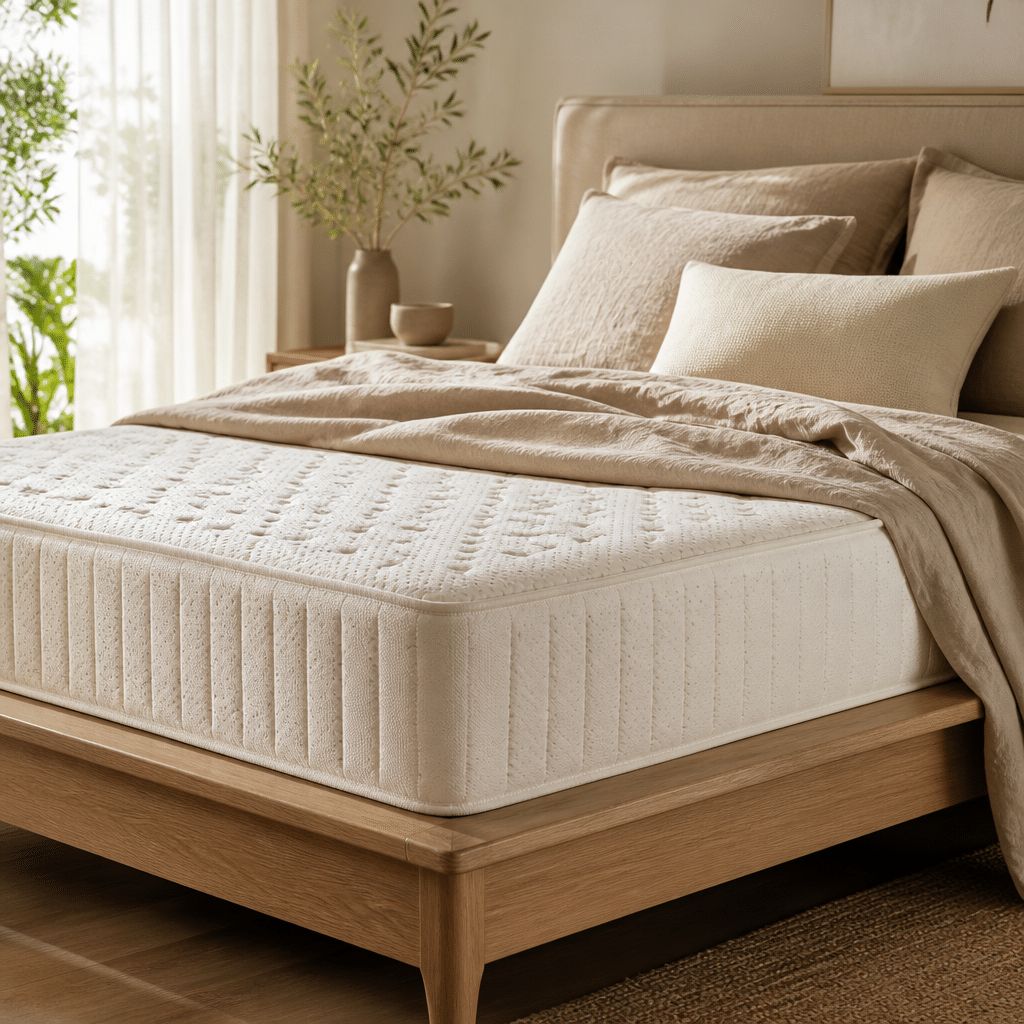
Sleep Cool All Night: Best Mattresses for Hot Sleepers
If you wake up at 3 a.m. kicking off the sheets, your mattress may be part of the problem. Hot sleep is one of the most common complaints we hear from customers in our Orange County showroom, and it rarely gets solved by a new pillow or a lower thermostat alone. A true sleep cool mattress holds heat away from your body, supports your spine, and lets you stay asleep. This guide explains which materials and construction choices actually cool, which ones trap heat, and how to pick a bed that also helps your back, neck, hip, and shoulders. We also cover how our no-credit payment plans make a cooling bed affordable for shoppers in Anaheim and across Orange County.
Table of Contents
- Quick Takeaways
- Why You Sleep Hot (and Why Your Mattress Gets Blamed)
- What Makes a Mattress Sleep Hot
- Cooling Materials Compared: Latex, Foam, and Hybrids
- Side-by-Side Cooling Comparison
- Sleeping Cool on Latex Without Losing Spine Alignment
- Pain Relief for Back, Neck, Hip, and Shoulders
- Bedding and Room Setup for Cool Sleep
- Cooling Pads and Toppers: When an Add-On Makes Sense
- No-Credit Payment Plans and Delivery in Orange County
- Frequently Asked Questions
- References
Quick Takeaways
| Key Insight | Explanation |
|---|---|
| Test the surface before you buy | Lie down for 10 minutes. If the top layer feels warm or you sink into a heat pocket, expect the same heat overnight. |
| Open-cell latex and hybrids usually sleep cooler than dense foam | Air moves through latex and the coil layer in hybrids. Dense memory foam tends to hold body heat close to the skin. |
| Softer is not always cooler | Deep, soft comfort layers let your body sink in and increase contact. Medium firmness often keeps you cooler and better aligned. |
| Check the cover and the airflow | A breathable knit cover and a bed frame that does not block airflow can lower heat buildup without any extra purchase. |
| Pick a cooling feature that matches your problem | If you sleep hot and wake with shoulder or hip pain, look for pressure relief plus breathable layers, not gel alone. |
| Use payment plans to avoid a rushed decision | No-credit-needed plans and a 3-month purchase option in California let you buy the right cooling bed instead of the first one you can afford. |
Why You Sleep Hot (and Why Your Mattress Gets Blamed)
Hot sleeping is not just a personality trait. Your body naturally releases heat during the night to reach and hold deep sleep, and a bed that traps heat interrupts that process. Many people assume they are simply “warm sleepers” when the real problem is heat building up under them.
One review site that tests cooling beds states that sleeping in a cooler environment is linked to deeper, more restful sleep, and that is consistent with what we see on the showroom floor. Customers who come in after a month of night sweats usually have a thermostat set reasonably low, yet they still wake up damp. The bed is the variable they have not changed yet.
Signs Your Bed Is Trapping Heat
The usual clues are a damp chest or neck when you wake, pillows that feel hot on the side you have been lying on, and sheets that are clammy by morning. If you have been flipping your pillow to the cool side at 2 a.m., your bed is probably holding heat rather than moving it away from you.
Pro tip: Lie on the mattress for 10 minutes with your palm flat on the top surface. If the surface feels warm to the touch or you sink into a noticeable heat pocket, it will likely hold heat through the night too.
What Makes a Mattress Sleep Hot
Three factors decide how warm a mattress feels: the density and thickness of the comfort layers, the cover fabric, and how much air can move through the bed. Most hot-sleeping beds fail on at least two of these. Knowing which one is the weak point helps you narrow your search quickly.
Dense Foam and Sealed Comfort Layers
Traditional memory foam conforms closely to your body, which is exactly why it can feel so good for pressure relief. The same closeness works against you when heat builds up, because the foam has little open structure to carry warm air away. Thick, dense comfort layers stacked on a sealed base can turn into a heat trap by the third or fourth hour of sleep.
In practice, we steer hot sleepers away from very dense foam unless it is paired with an airy layer on top. A thin, dense foam topper on a bed with an open base still feels fine to most people, but a thick dense slab usually does not.
Covers, Airflow, and the Bed Frame
The cover is the first layer your skin touches, and a tightly woven polyester surface can feel warm even when the foam underneath is breathable. Knit or quilted covers with natural fibers tend to feel cooler at the start of the night. Many customers overlook the foundation, but a solid platform or a low, closed box spring can block the airflow the mattress needs.
If you already own a bed you like, check whether the frame has slats with enough space and whether there is clearance under the base. Small changes here can make a noticeable difference without replacing the mattress.
Why Firmness Changes Heat
Softer mattresses let your body sink in, which increases the surface area in contact with the bed and the amount of heat held against your skin. A medium or medium-firm feel usually keeps the body on top of the mattress rather than inside it. That position also tends to keep your spine more level, which matters for the back and hip pain many of our customers mention.
Cooling Materials Compared: Latex, Foam, and Hybrids
Most of the best cooling beds we recommend fall into three construction families: natural latex, gel-infused or ventilated memory foam, and hybrids that combine foam or latex with pocketed coils. Each family cools differently, and each suits a different sleeper. Choosing well starts with understanding how heat leaves the bed in each design.
Latex: Natural Airflow Through the Core
Open-cell latex has a more open cell structure than conventional foam, which lets air move through the core. Many latex beds feel responsive, so you change position without feeling stuck in the mattress. For hot sleepers, that bounce is important because it reduces the constant body contact that builds heat.
Latex is also a strong option for people who want a natural feel with consistent support. It does not sleep warm in the same way dense foam does, but it is not automatically cool either. Check the construction and the cover before you assume.
Gel-Infused Memory Foam: Helpful, but Not Magic
Gel beads or gel layers can pull heat away from the surface, and many shoppers notice a cooler first impression in the showroom. The effect is usually strongest at the top layer and fades as the body warms the foam underneath. Gel is a useful feature, but it should not be the only reason you choose a bed.
Ventilated foam with channels cut through the layer often does more for airflow over a full night. Ask whether the foam has open channels or a perforated design, because that detail tells you more about heat than the word “cooling” on the label.
Hybrids: Coils Create an Air Gap
Hybrid mattresses place a layer of pocketed coils under the comfort foam or latex. The coil layer creates an air gap that lets heat move out of the bed more easily than a solid foam base. Hybrids also tend to hold their shape better over time, which keeps the sleeping surface consistent.
A mattress can only cool you as well as the layer touching your body. The top few inches decide more than the brand name printed on the tag.
Pro tip: When you compare two beds, ask the salesperson to explain the top three layers and the cover fabric. If the answers are vague, the bed probably has not been designed with heat in mind.
Side-by-Side Cooling Comparison
A lab-tested review site that scores mattresses across eight performance factors, including cooling, notes that it tests more than 470 mattresses and records dozens of data points on each one. Their results reinforce a simple lesson: construction matters more than marketing terms. The table below summarizes how the three main families compare for hot sleepers.
| Cooling Option | How It Handles Heat | Best For |
|---|---|---|
| Open-cell latex | Air moves through the core, and the material is responsive, so you shift position often without trapping warmth. | Hot sleepers who want natural materials, consistent support, and a springy feel for spine alignment. |
| Gel-infused or ventilated memory foam | Gel or channels pull heat from the surface, but dense foam underneath can still hold warmth through the night. | Side sleepers who need pressure relief and are willing to choose a ventilated design over a dense one. |
| Hybrid with pocketed coils | The coil base creates an air gap that moves heat out of the bed and keeps the surface from sinking into a heat pocket. | Couples, combination sleepers, and anyone who moves a lot and wants steady support. |
In our experience, the right choice depends on your sleeping position and how much you move. A side sleeper who runs hot often does best with a ventilated foam or a latex comfort layer, while a couple sharing a bed usually benefits from a hybrid that keeps the mattress responsive for both sides.
Sleeping Cool on Latex Without Losing Spine Alignment
Latex is one of the most popular options with customers who want a cooler sleep and a supportive feel. The key is matching the latex layer’s firmness to your body weight and sleeping position. Get that right, and your spine stays level while your skin stays comfortable.
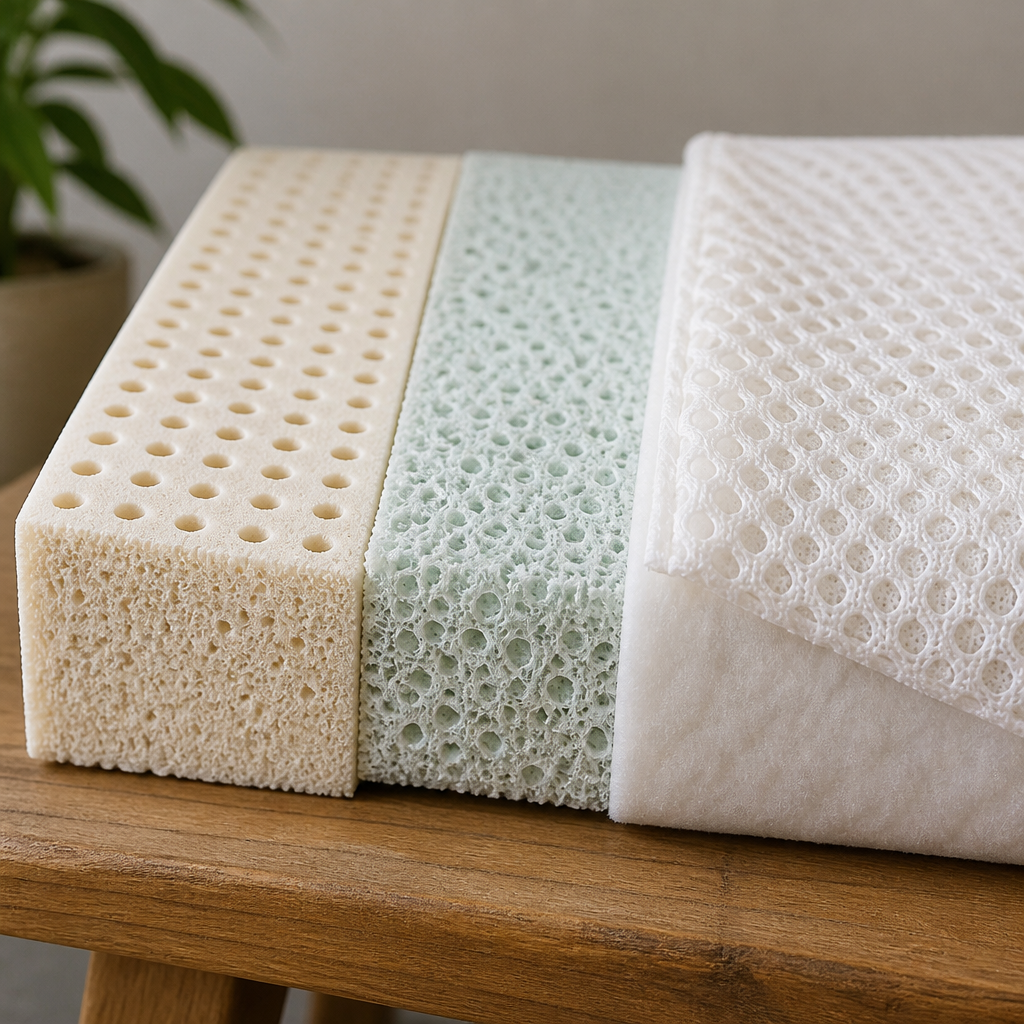
Many hot sleepers assume they need a soft bed to be comfortable, but a soft latex surface can let the hips sink too far and the lower back arch. That arch is where many people start waking with stiffness. A medium or medium-firm latex feel usually keeps the body supported without pushing it into a heat pocket.
How Latex Holds the Spine in Line
Latex distributes weight evenly and pushes back in proportion to pressure. That means your shoulders and hips receive support where they need it, and your spine has a chance to rest in a neutral position. The result is less overnight shifting, which also means less friction and heat from constant movement.
Choosing Firmness by Body Type and Position
Side sleepers generally need a little more give at the shoulder and hip, while back sleepers need firmer lumbar support. Heavier body types often need a firmer core layer so the mattress does not sag. When you test a latex bed in the showroom, lie in your usual position for at least five minutes and pay attention to your lower back.
Keeping Latex Cool in Warm Weather
Latex is naturally breathable, but a thick, heavy cover can still hold warmth. Choose a cover made from breathable fibers if you know you run hot. Pair the bed with cotton or linen sheets, and avoid heavy mattress protectors that seal the top of the mattress.
Pain Relief for Back, Neck, Hip, and Shoulders
Many customers come to us because they wake up sore, not just warm. A mattress cannot fix every source of pain, but the right support and pressure relief can reduce the strain that builds during the night. The goal is a bed that keeps you cool and aligned long enough to wake up rested.
Side Sleepers and Shoulder Pressure
Side sleepers often wake with a sore shoulder because the top arm pushes into the mattress all night. A surface that gives enough at the shoulder without sinking too deep helps reduce that pressure. Look for a comfort layer that contours gently, paired with a responsive base so the hips do not drop.
Back Sleepers and Lower Back Support
Back sleepers need a surface that supports the natural curve of the lower spine. Too soft, and the hips sink and the back arches. Too firm, and the lower back may feel pressed upward. A medium-firm hybrid or latex bed often works well because it balances support with airflow.
Hip and Neck Alignment
Hip pain often shows up when the mattress does not allow the pelvis to sit level. Neck pain usually follows when the pillow height does not match the mattress height. Test your pillow on the bed you are considering, not in the store aisle. If pain continues after a few weeks on a new bed, talk with a qualified healthcare provider rather than assuming the mattress must be the only fix.
Bedding and Room Setup for Cool Sleep
A cooling mattress works best when the rest of the bed supports it. Sheets, pillows, and the room itself can either help heat escape or trap it. A few simple adjustments often make a bigger difference than an expensive upgrade.
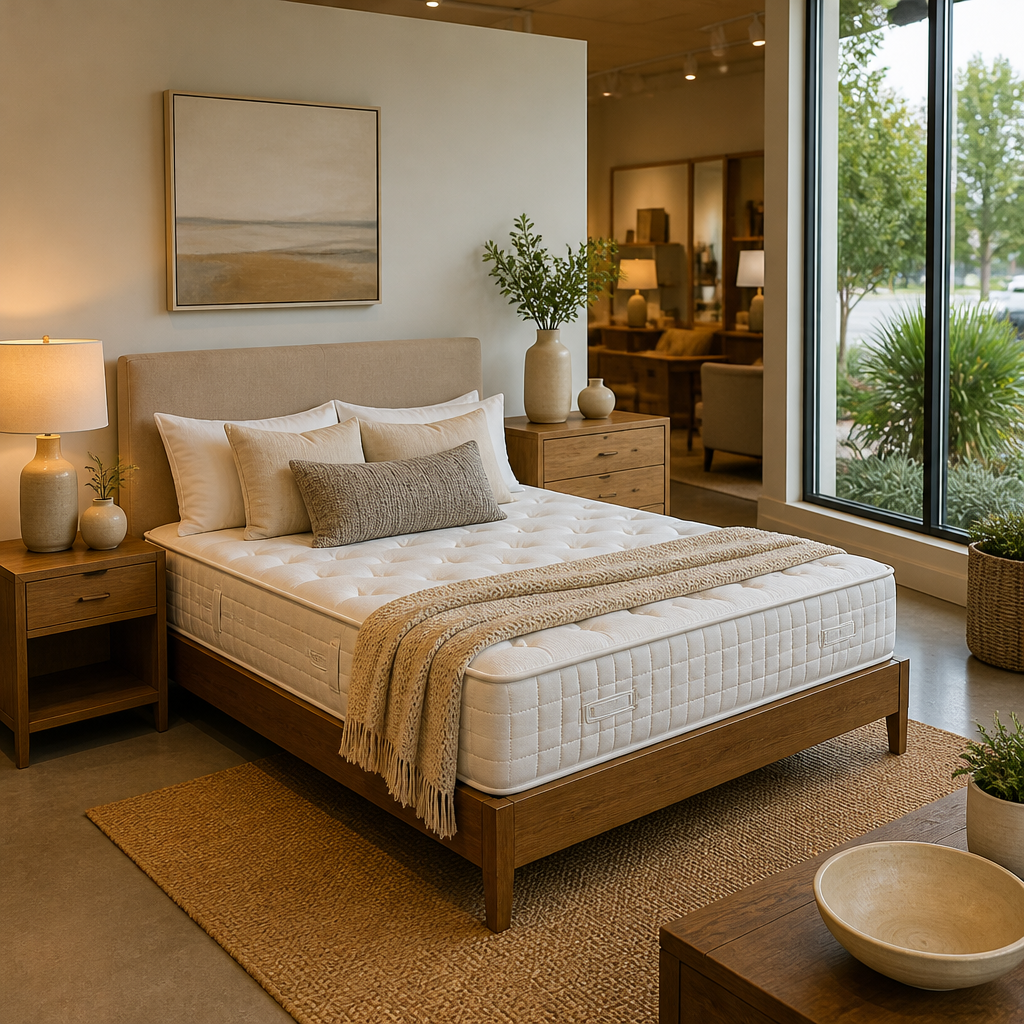
We often see customers pile on heavy comforters, plastic-lined protectors, and dense pillows, then wonder why the mattress feels hot. The mattress is only one part of the sleep system. Start with the layers that touch your body and work outward.
Sheets and Pillows That Breathe
Cotton percale, linen, and bamboo blends tend to feel cooler than heavy sateen or polyester. Pillows filled with shredded latex or natural fibers allow more airflow than dense memory foam pillows. Keep your pillow height matched to your sleeping position so your neck does not overheat from being bent.
Protectors and Pads Without the Heat Trap
Waterproof protectors are useful, but many are made with a plastic-like top that seals heat in. Look for a breathable, quilted protector rather than a vinyl-style one. A thin, breathable pad is usually a better choice than a thick topper if your main goal is cooler sleep.
Room Temperature and Airflow
Homes in Orange County can heat up during the warmer months, and sealed rooms or blocked vents make the bed feel hotter. Keep the bedroom door open, use a fan to move air across the bed rather than directly at your face, and close blinds during the day. These habits support any mattress and cost very little.
Cooling Pads and Toppers: When an Add-On Makes Sense
Cooling pads and toppers are tempting because they promise a quick fix. Some are simple passive pads with breathable covers, while others use water or air to control temperature. Each type has a place, but they are not a substitute for a well-built mattress.
A review that compares active cooling systems with passive mattress pads makes the same point: the add-on is only as good as the bed underneath it. We agree, and we recommend starting with the mattress before adding any accessory.
Passive Pads: Low Cost, Limited Effect
Passive cooling pads use breathable covers and phase-change or gel-based materials to move heat away from the surface. They are affordable and easy to add, and they can help a bed that is only slightly warm. They rarely fix a bed that traps heat in its core layers.
Active Water and Air Systems
Active systems circulate water or air to hold a set temperature, and they can be effective for people who sleep very hot. A strategist-style test of cooling sleep systems found that these products vary widely in noise, setup, and ongoing cost. They also add complexity, so they suit shoppers who want precise control rather than a simple upgrade.
When to Skip the Add-On
If your current bed is dense, sagging, or more than a few years old, a topper will not solve the underlying problem. Replacing the bed with a cooler construction is usually more effective. A topper makes the most sense when your current mattress is supportive and only needs a cooler surface.
Pro tip: Before you buy a topper, sleep on your current mattress with a breathable cotton sheet for one week and track how often you wake up warm. If the problem disappears, a topper may be enough. If it does not, the core of the bed is the issue.
No-Credit Payment Plans and Delivery in Orange County
A cooling mattress should not be a choice between sleeping well and paying your bills. Our payment plans are built for shoppers who have limited or no credit history, and they let you bring home the right bed without waiting for approval from a traditional lender.
Buying a Cooling Mattress Without Credit
Our no-credit-needed payment plans give budget-conscious homeowners a way to buy a quality cooling bed now. You can focus on construction, firmness, and cooling features rather than rushing to the cheapest option on the floor. Ask our team to walk you through the plan details before you commit.
The 3-Month Purchase Option in California
For California shoppers, our 3-month purchase option gives you a short, clear timeline to complete your purchase. It works well for households that want to spread out costs while keeping the bedroom project on track. Because the plan is simple, it also reduces the pressure to decide on the spot.
Delivery Windows in Anaheim and Orange County
We schedule exact day-and-time delivery windows, so you know when your new bed will arrive. Most orders are typically delivered within 24 to 48 hours. That speed matters when you have been sleeping hot for weeks and want relief quickly. We deliver to Anaheim and throughout Orange County.
Frequently Asked Questions
What is the best mattress for hot sleepers?
For most hot sleepers, a hybrid with a coil base or an open-cell latex mattress with a breathable cover offers the best balance of airflow and support. Choose a medium or medium-firm feel if you want to stay on top of the bed rather than sinking into heat.
Does gel-infused memory foam actually keep you cool?
Gel can help move heat away from the surface, especially in the first hours of sleep. However, dense foam underneath can still trap warmth, so look for ventilated or channeled foam if gel is a priority for you.
Can a cooling mattress pad fix a bed that sleeps hot?
A pad can help a bed that is only slightly warm, but it rarely solves a bed that traps heat in its core layers. If your mattress is dense or sagging, replacing it usually works better than adding a pad.
Is latex good for hot sleepers who have back pain?
Latex can be a strong option because it supports the spine evenly and allows more airflow than many foams. Firmness matters most, so test the bed in your usual sleeping position for several minutes before deciding.
Can I buy a cooling mattress without good credit?
Yes. Our no-credit-needed payment plans are designed for customers with limited or no credit, and we also offer a 3-month purchase option in California. Ask our team to explain the terms before you choose a bed.
How fast can I get my new mattress delivered in Orange County?
Most orders are typically delivered within 24 to 48 hours, and we schedule exact day-and-time delivery windows. Delivery is available throughout Orange County, including Anaheim, CA.
What has your sleep been like on your current mattress, and which cooling feature would make the biggest difference for you?
References
- Review guide on how to tell if you sleep hot and why mattresses trap heat
- Lab-tested cooling scores and performance factors for mattresses
- Hands-on testing of water and air cooling sleep systems
- Comparison of passive cooling mattress pads and active bed cooling systems